Have you ever felt that nagging toothache even after undergoing a root canal treatment? It’s the kind of discomfort that keeps you up at night, making you question the effectiveness of the initial procedure. Root canal retreatment might just be the answer you’re looking for. This often-misunderstood procedure could be the key to alleviating persistent oral pain and ensuring your dental health. Are you ready to delve into the depths of dental care and discover how root canal retreatment could be your saviour?
Persistent tooth pain or infection post-root canal may require retreatment
Root canal retreatment involves reopening the tooth to clean and reseal it
Benefits include saving your natural tooth and preventing further infection
Risks include potential structural damage and re-infection
Banning Dental Group provides expert care with a Price Match Guarantee
You might wonder why a tooth that has already undergone treatment needs to be retreated. Simply put, there are various reasons why retreatment becomes necessary. Persistent pain, new infections, and damaged crowns are all culprits that can compromise the success of the initial treatment. Let’s explore the factors that might lead you back to the dentist’s chair.
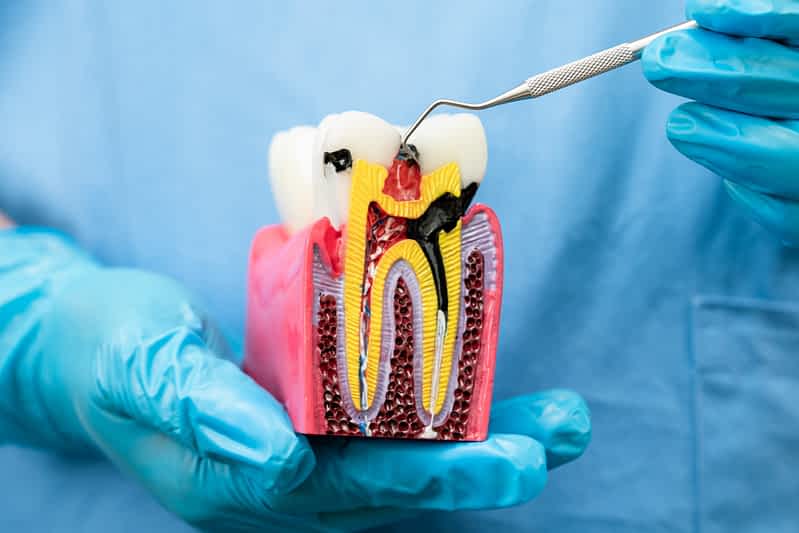
Persistent pain is often the most glaring sign that a previous root canal treatment hasn’t been successful. When pain lingers, it may indicate that the initial procedure didn’t fully address the issues within the tooth. Pain could be due to a variety of reasons, such as additional canals that were missed during the first treatment or apical periodontitis, which refers to inflammation around the apex of the tooth’s root.
Another common reason for retreatment is the occurrence of a new infection. Bacteria might re-enter the tooth if the seal is compromised, leading to infection. This can happen due to natural changes in oral health or if a new pathway for bacteria is inadvertently created, such as through a crack in the tooth or a damaged crown. It’s crucial to address these issues promptly to prevent further complications.
Incomplete cleaning or sealing during the initial procedure can also necessitate retreatment. The intricate canal anatomy of some teeth can make it challenging for the dentist to thoroughly clean and seal all the canals during the first procedure. If any bacteria remain or if the seal is not perfect, the infection can recur, necessitating another round of treatment.
Changes in your oral health over time can affect previously treated teeth. Teeth are not immune to the changes that occur in your mouth due to ageing, dietary habits, or health conditions. These changes might create conditions that necessitate a re-evaluation and potential retreatment of a previously treated tooth.
Facing the thought of a second root canal treatment might seem daunting, but understanding the procedure can help ease your concerns. Root canal retreatment involves reopening the tooth to access the root canals once more. The process is meticulous but essential to ensure your tooth’s long-term health.
The retreatment process begins with the dentist carefully reopening the tooth to gain access to the root canals. By doing so, they can remove the old filling material and any infection that might be present. This is a crucial step to ensure that the tooth is thoroughly cleaned before moving forward.
Advanced tools and techniques are employed to refine the canal cleaning process. These modern advancements aid the dentist in meticulously cleaning the canals, ensuring that no bacteria or infected tissue remains. This step is vital for the success of the retreatment and the prevention of future infections.
Once the canals are cleaned, the dentist will apply a new filling to properly seal them. This new seal is critical to keep bacteria out and protect the tooth from further infection. In some cases, a temporary or permanent crown might be placed over the tooth to provide additional protection and restore its function.
Root canal retreatment may also involve endodontic surgery or surgical root canal treatment if the canals are particularly complex or if there are additional complications. This surgical procedure allows the dentist to address issues that might not be accessible through standard retreatment techniques.
You might wonder why you should undergo retreatment instead of opting for a more permanent solution like extraction. The benefits of endodontic retreatment are significant, making it a worthwhile consideration for those facing issues with a previously treated tooth.
Endodontic retreatment can save your natural tooth from extraction. There’s nothing quite like your natural teeth, and preserving them should always be a priority. The procedure provides a chance to maintain the tooth’s integrity and functionality, which cannot be replicated by artificial replacements.
Thanks to improved dental techniques, the success rate of retreatment has increased significantly. Dental professionals now have access to advanced tools and methods that enhance the precision and effectiveness of the procedure. This means that you have a higher chance of a successful outcome compared to the past.
Successful endodontic retreatment not only alleviates discomfort and pain but also enhances your overall oral health by eliminating infection. By addressing the root cause of your dental issues, retreatment helps to prevent the spread of infection, which can have far-reaching effects on your oral and general health.
Preserving your tooth through retreatment provides long-term dental health benefits. A natural tooth that is properly treated and maintained can last a lifetime, reducing the need for more invasive and expensive procedures down the line. This makes retreatment a cost-effective and sustainable choice for dental care.
While the benefits of retreatment are compelling, it’s essential to be aware of the potential risks. Like any medical procedure, root canal retreatment carries certain risks that should be considered before deciding to proceed.
Retreatment might not always resolve the underlying issue. In some cases, the complexity of the tooth’s structure or the extent of the damage might mean that retreatment alone is not sufficient. If retreatment fails, more invasive procedures might be necessary.
Structural damage to the tooth can complicate the procedure. If the tooth has been weakened by previous treatments or if there is significant decay, retreatment might be more challenging. This can increase the chances of complications during the procedure.
There is a risk of re-infection if the canals are not thoroughly cleaned. Even with the best efforts, some bacteria might remain, leading to a recurrence of the infection. This is why it’s crucial to choose a skilled dental professional who can minimise this risk.
Retreatment can be more complex than the initial procedure. The dentist must navigate the existing fillings and any changes in the tooth’s anatomy since the original treatment. This complexity can increase the time and effort required for a successful outcome.
Finally, there’s the potential for discomfort during and after the procedure. While modern techniques aim to minimise pain, some level of discomfort is expected. Pain management strategies and proper aftercare can help mitigate these effects.
After undergoing root canal retreatment, following the right aftercare instructions is crucial to ensure proper healing and prevent future complications. Here’s a comprehensive guide to help you navigate the post-treatment phase with ease.
Proper oral hygiene is paramount. Brush and floss regularly to remove any food particles and bacteria that might accumulate around the treated area. Use a soft-bristled toothbrush and be gentle around the treated tooth to avoid irritation.
Avoiding hard foods is wise, as it protects the treated tooth from unnecessary pressure and potential damage. Stick to softer foods, especially in the days immediately following the procedure, to give your tooth time to heal and strengthen.
Regular dental check-ups are essential. These visits allow your dentist to monitor the health of the treated area and catch any potential issues early on. If you notice any unusual symptoms or persistent pain, don’t hesitate to contact your dentist for advice.
Pain management strategies can aid in recovery. Over-the-counter pain relievers can help alleviate discomfort, but it’s crucial to follow your dentist’s recommendations. Applying an ice pack to the outside of your cheek can also help reduce swelling and numb the area.
Following your dentist’s instructions is the key to successful healing. They will provide specific guidance based on your unique situation, and adhering to these recommendations will ensure the best possible outcome for your retreatment.
When faced with root canal issues, seeking professional care is paramount. A skilled dental professional can provide the expertise and guidance needed to address your concerns effectively. Here’s why professional care is essential for root canal issues.
Professional care ensures accurate diagnosis and treatment. A general dentist or specialist endodontist can assess the condition of your tooth and determine the best treatment options for your specific situation. Their expertise minimises the risk of misdiagnosis and ensures the appropriate course of action.
Endodontists possess specialised skills for complex cases. If your tooth requires retreatment, an endodontist’s experience in handling intricate cases is invaluable. Their training and expertise enable them to navigate the challenges of retreatment with precision.
Timely intervention prevents further dental complications. Delaying treatment can lead to more severe issues, such as the spread of infection or the need for more invasive procedures. Seeking professional care promptly can save you from unnecessary pain and expense in the long run.
Expert care increases the likelihood of successful retreatment. Dental professionals are equipped with the latest tools and techniques, ensuring that your retreatment is performed with the highest standards of care. This increases the chances of a successful outcome and long-term oral health.
Professional advice provides reassurance and clarity about the process. Understanding what to expect during retreatment and having your questions answered by a knowledgeable professional can alleviate anxiety and empower you to make informed decisions about your dental care.
When it comes to root canal retreatment, Banning Dental Group stands out as a trusted partner in your dental care journey. With a commitment to excellence and a focus on patient satisfaction, Banning Dental Group offers a comprehensive approach to retreatment that ensures the best possible outcomes.
Banning Dental Group is home to experienced endodontists who specialise in retreatment. Their expertise and dedication to patient care mean that you’re in capable hands. Whether you’re dealing with persistent pain or a new infection, their skilled professionals can provide the solutions you need.
State-of-the-art technology is at the heart of Banning Dental Group’s approach. By utilising advanced tools and techniques, they ensure that your retreatment is precise and efficient. This commitment to innovation enhances the quality of care you receive and minimises the risk of complications.
Patient-centred care is a cornerstone of Banning Dental Group’s philosophy. Your comfort and satisfaction are priorities throughout the treatment process. From the initial consultation to post-treatment follow-up, their team is dedicated to providing a supportive and compassionate experience.
Comprehensive aftercare support aids in smooth recovery. Banning Dental Group’s commitment to your well-being extends beyond the treatment itself. You’ll receive personalised aftercare instructions and support to ensure a successful healing process.
With multiple clinics available and a Price Match Guarantee, Banning Dental Group’s reputation for excellence assures quality treatment. Their commitment to affordability and accessibility makes them a top choice for anyone seeking root canal retreatment.
You likely have questions about root canal retreatment, and you’re not alone. Here are answers to some frequently asked questions that might be on your mind.
Why is root canal retreatment sometimes necessary? Root canal retreatment is necessary when the initial treatment doesn’t fully resolve the infection or pain. This could be due to missed canals, incomplete cleaning, or new infections that arise after the first procedure.
What should I expect during the retreatment procedure? During retreatment, the dentist will reopen the tooth to access the root canals. The old filling material will be removed, and the canals will be thoroughly cleaned and sealed. A crown may be placed to protect the tooth.
How long does recovery take after retreatment? Recovery time varies, but most patients can expect discomfort for a few days following the procedure. Following your dentist’s aftercare instructions is crucial for a swift and smooth recovery.
Are there alternatives to root canal retreatment? Alternatives to retreatment include tooth extraction and replacement with a dental implant or bridge. However, preserving your natural tooth through retreatment is often the preferred option for long-term oral health.
How can I prevent the need for future retreatment? Maintaining proper oral hygiene, attending regular dental check-ups, and promptly addressing any dental issues can help prevent the need for future retreatment. Following your dentist’s advice and care recommendations is essential.
In summary, root canal retreatment offers a second chance to save your natural tooth and maintain your oral health. By understanding the reasons for retreatment, the procedure itself, and the potential risks and benefits, you can make an informed decision about your dental care. Banning Dental Group, with its experienced endodontists and commitment to patient-centred care, is your trusted partner in this journey. So, have you considered how retreatment could benefit your dental health and provide relief from persistent pain?
Our website has been reviewed and approved by healthandbeautylistings.org (Dentistry Listings)
We are soon to open another 3 clinics in 2024! sign up for our newsletter to keep yourself informed when we are in an area near you. Being a patient of Banning Dental Group means that you can have access to dental and skin treatment services across many clinics.
| Cookie | Duration | Description |
|---|---|---|
| cookielawinfo-checkbox-advertisement | 1 year | The cookie is set by GDPR cookie consent to record the user consent for the cookies in the category "Advertisement". |
| cookielawinfo-checkbox-analytics | 11 months | This cookie is set by GDPR Cookie Consent plugin. The cookie is used to store the user consent for the cookies in the category "Analytics". |
| cookielawinfo-checkbox-functional | 11 months | The cookie is set by GDPR cookie consent to record the user consent for the cookies in the category "Functional". |
| cookielawinfo-checkbox-necessary | 11 months | This cookie is set by GDPR Cookie Consent plugin. The cookies is used to store the user consent for the cookies in the category "Necessary". |
| cookielawinfo-checkbox-others | 11 months | This cookie is set by GDPR Cookie Consent plugin. The cookie is used to store the user consent for the cookies in the category "Other. |
| cookielawinfo-checkbox-performance | 11 months | This cookie is set by GDPR Cookie Consent plugin. The cookie is used to store the user consent for the cookies in the category "Performance". |
| CookieLawInfoConsent | 1 year | Records the default button state of the corresponding category & the status of CCPA. It works only in coordination with the primary cookie. |
| elementor | never | This cookie is used by the website and it allows the website owner to implement or change the website's content in real-time. |
| viewed_cookie_policy | 11 months | The cookie is set by the GDPR Cookie Consent plugin and is used to store whether or not user has consented to the use of cookies. It does not store any personal data. |
| Cookie | Duration | Description |
|---|---|---|
| _ga | 2 years | This cookie is installed by Google Analytics. The cookie is used to calculate visitor, session, campaign data and keep track of site usage for the site's analytics report. The cookies store information anonymously and assign a randomly generated number to identify unique visitors. |
| _gat_gtag_UA_146967537_3 | 1 minute | This cookie is set by Google and is used to distinguish users. |
| _gid | 1 day | This cookie is installed by Google Analytics. The cookie is used to store information of how visitors use a website and helps in creating an analytics report of how the website is doing. The data collected including the number visitors, the source where they have come from, and the pages visted in an anonymous form. |
| CONSENT | 2 years | YouTube sets this cookie via embedded youtube-videos and registers anonymous statistical data. |
| Cookie | Duration | Description |
|---|---|---|
| _fbp | 3 months | This cookie is set by Facebook to deliver advertisement when they are on Facebook or a digital platform powered by Facebook advertising after visiting this website. |
| fr | 3 months | Facebook sets this cookie to show relevant advertisements to users by tracking user behaviour across the web, on sites that have Facebook pixel or Facebook social plugin. |
| VISITOR_INFO1_LIVE | 5 months 27 days | A cookie set by YouTube to measure bandwidth that determines whether the user gets the new or old player interface. |
| YSC | session | YSC cookie is set by Youtube and is used to track the views of embedded videos on Youtube pages. |
| yt-remote-connected-devices | never | YouTube sets this cookie to store the video preferences of the user using embedded YouTube video. |
| yt-remote-device-id | never | YouTube sets this cookie to store the video preferences of the user using embedded YouTube video. |
| yt.innertube::nextId | never | This cookie, set by YouTube, registers a unique ID to store data on what videos from YouTube the user has seen. |
| yt.innertube::requests | never | This cookie, set by YouTube, registers a unique ID to store data on what videos from YouTube the user has seen. |
| Cookie | Duration | Description |
|---|---|---|
| sr-session-id | session | No description |
| Cookie | Duration | Description |
|---|---|---|
| __cf_bm | 30 minutes | This cookie, set by Cloudflare, is used to support Cloudflare Bot Management. |

Current Offer For Patient Who Hold Banning Dental Group And Skin Clinique Premium Membership Card: